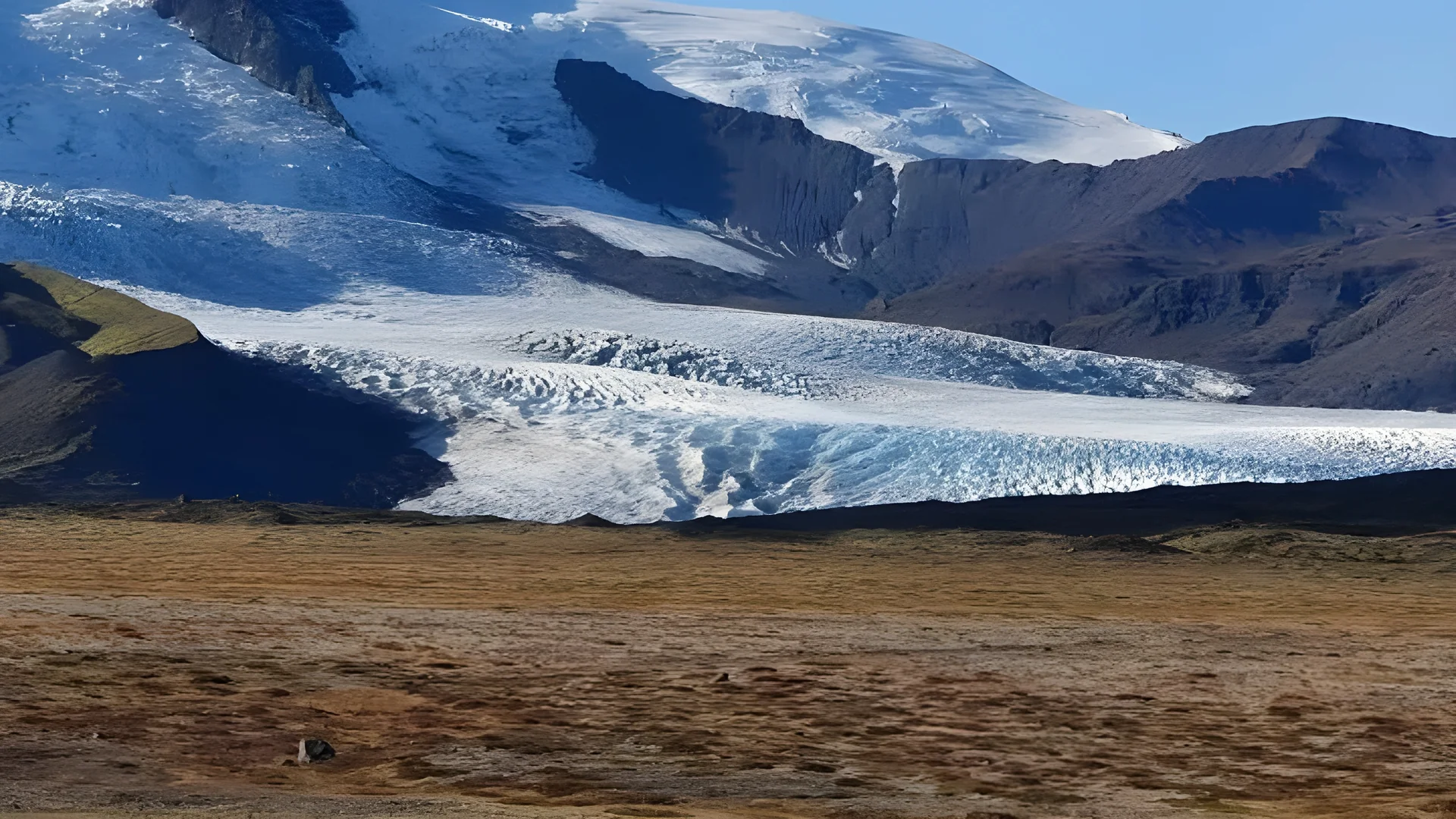
This is a beautifully written and evocative description of Þingeyjarsveit. You've captured the essence of the municipality not merely as an administrative division, but as a living entity shaped by geological forces, history, and human resilience. Your text effectively highlights the delicate balance between preservation and progress that defines much of rural Iceland today. A few nuances that complement your portrait: * **Scale and Structure:** Þingeyjarsveit is actually one of the largest municipalities in Iceland by area, formed through mergers (most notably in 2002) to ensure economic viability. This vastness underscores your point about the highlands; the municipality encompasses everything from the fertile shores of Lake Mývatn to the desolate, rugged interior, reflecting the full spectrum of Icelandic landscapes. * **The Name and History:** Your etymological connection to the *Þing* (assembly) is poignant. While the national Althingi is famously at Þingvellir, the name Þingeyjarsveit refers specifically to the Þingeyjar islands in Lake Mývatn, which were the site of regional assemblies. Furthermore, the area is home to the historic Þingeyraklaustur monastery, adding a layer of literary and historical depth to the "ancient legacy" you mentioned. * **Stewardship:** Your emphasis on sustainable development is key. As the custodian of the Mývatn-Laxá area, the municipality plays a critical role in managing the tension between Iceland's booming tourism industry and the conservation of fragile geothermal and avian ecosystems. The community's approach often serves as a case study for how remote regions can leverage natural assets while protecting their way of life. * **Agriculture and Energy:** It's also fascinating how the region blends tradition with innovation. While sheep farming remains a cultural touchstone, the geothermal wealth you alluded to powers sustainable agriculture, including greenhouse farming that produces fresh produce even in the high north, and provides clean energy for the community. Are you developing this text for a specific project, such as a travel feature, an academic overview, or a cultural introduction? I'd be happy to discuss specific aspects further, such as the demographic strategies rural Icelandic municipalities are employing, the geological highlights, or the literary history tied to the monastic ruins.
Thanks to our Virtual Reality technology, we transport you to Þingeyjarsveit for unique observations.
This feature requires payment.
The data below describes the current air quality at Þingeyjarsveit. Based on the European Air Quality Index (AQI), calculated using the data below, The weather conditions are passable.
| Dust | 0 μg/m³ |
|---|---|
| Carbon Dioxide CO2 | 472 ppm |
| Nitrogen Dioxide NO2 | 6.8 μg/m³ |
| Sulphur Dioxide SO2 | 0.8 μg/m³ |
| Ammonia NH3 | 2.8 μg/m³ |
The data below describes the current weather in Þingeyjarsveit.
| Temperature | 5.7 °C |
|---|---|
| Rain | 0 mm |
| Showers | 0 mm |
| Snowfall | 0 cm |
| Cloud Cover Total | 0 % |
| Sea Level Pressure | 1024.6 hPa |
| Wind Speed | 2.5 km/h |